
The argument in favor of using filler text goes something like this: If you use any real content in the Consulting Process anytime you reach.


Why Leaf Mould Deserves a Place in Your Garden
Free Soil Gold at the Bottom of the Garden
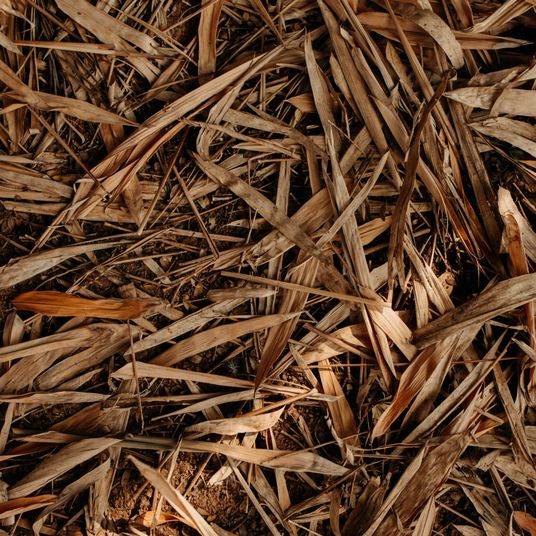
Every October the same ritual plays out across the country. The rake comes out, the black bags appear, and a good many of us cart barrowloads of fallen leaves to the kerbside or the bonfire pile without a second thought. It is one of the quiet ironies of British gardening that we spend money on bags of multipurpose compost in spring while giving away the finest soil conditioner we will ever lay hands on each autumn.
Leaf mould is what happens when leaves are left to rot slowly, mostly through the work of fungi rather than the heat-loving bacteria that drive a compost heap. The result is a dark, crumbly, faintly woodland-smelling material that holds moisture, breaks up heavy clay, gives body to thin sandy soil, and feeds the soil life that keeps everything else healthy. It costs nothing but a corner of the garden and a bit of patience. Here is how to make it properly.
Why Leaves Are Not Just Compost
It is tempting to tip leaves onto the compost heap and be done with it. Resist that urge, at least with the bulk of them. Leaves are high in carbon and low in nitrogen, so they rot slowly and can stall a working heap that relies on a balance of green and brown material.
Left to themselves in a separate pile or bag, however, they do something rather special. Fungi — the thread-like mycelium you will see weaving through the mass — break down the tougher lignins in the leaf tissue over many months. The end product is quite different from compost. It is low in nutrients, so it will not scorch young roots, but it is superb at improving soil structure and supporting the fungal networks that help plants take up water and minerals.
- Leaf mould: fungal, slow, low nutrients, excellent for structure and moisture retention.
- Compost: bacterial, faster, richer in nutrients, better as a feed.
Think of compost as a meal and leaf mould as the furnishings. You want both in a healthy garden.
Which Leaves to Keep and Which to Leave
Not all leaves behave the same way, and knowing the difference saves a lot of frustration.
- Quick to break down (roughly 6–12 months): oak, beech, hornbeam, lime, ash and most fruit tree leaves. These are the gold standard.
- Slower (up to 18 months): sycamore, horse chestnut and sweet chestnut, which have tougher, leathery leaves.
- Best kept out: conifer needles, holly, laurel and evergreen prunings. They are acidic and waxy and can take three years or more. Use them separately as a mulch for acid-lovers such as blueberries and rhododendrons, or simply leave them under the hedge.
Anything with signs of disease — black spot on roses, for instance — is better binned or burned rather than spread back around the garden.
Three Ways to Make Leaf Mould
There is no single right method. Pick whichever suits the space you have.
- The bin or wire cage. A simple cylinder of chicken wire held by four stakes, roughly a metre across, is ideal. Fill it, water it if the leaves are dry, and leave it. Turn it once or twice a year if you remember. Two cages let you alternate: one maturing while the other fills.
- The bin bag method. Perfect for small gardens and courtyards. Stuff damp leaves into old compost bags or black bin liners, punch a few drainage holes in the sides, tie loosely and tuck them behind the shed. Check them after a year.
- The open pile. If you have the space, a heap in a quiet corner works well, though it will dry out faster and may blow about. Weight it down with a piece of old carpet or a tarpaulin, leaving the sides open to the air.
Whatever you choose, keep the leaves damp — not sodden — and be patient. Sieving the finished product through a coarse riddle separates the usable crumb from the stalks and twigs, which can go back into the next pile.
Putting Leaf Mould to Work
Once you have your crumbly black gold, it earns its keep in several ways.
- Soil conditioner. Fork two or three inches into the top layer of beds, or simply lay it on the surface and let the worms do the work.
- Mulch. A two-inch layer around shrubs, perennials and fruit bushes suppresses weeds and locks in moisture.
- Lawn dressing. Mixed with sharp sand and sieved fine, it makes an excellent autumn top dressing that improves the soil beneath tired turf.
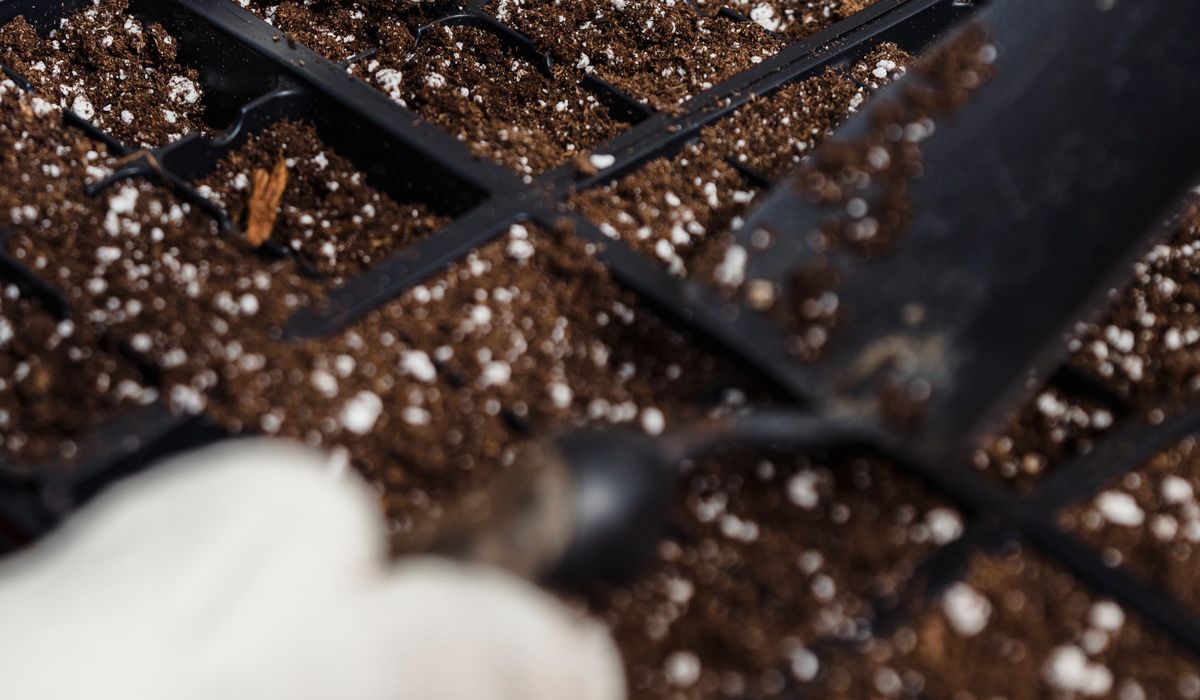
- Seed and potting mixes. Sieved leaf mould is a traditional ingredient in homemade seed compost, usually blended with garden soil and sand. Lower in nutrients than shop-bought mixes, it suits seedlings and ferns beautifully.
- Clay and sand rescue. On heavy clay it opens up the structure; on light sand it holds water and nutrients where roots can reach them.
A Little Patience, a Lot of Reward
The one downside of leaf mould is that it will not be ready this week. The sort made from oak and beech is usually crumbly within a year and fully mature at two. Tougher leaves take longer. But the labour is front-loaded — an afternoon of raking and bagging in autumn — and after that the pile looks after itself.
Start a cage this October, even if it is just two bin bags behind the shed. Next autumn, when the leaves fall again, you will have something genuinely valuable waiting at the bottom of the garden, made from nothing but what the trees gave you. That is sustainable country living at its most straightforward, and it has been quietly working in British woodlands for as long as there have been trees.

Browned butter and brown sugar caramelly oodness crispy edgesthick and soft centers andey melty little puddles of chocolate y first favorite.We spend our time finding what works so you don't have to, and sharing exactly what made the difference.
Growned butter and brown sugar caramelly oodness crispy edgesthick and soft centers andey meltpuddles of chocolate y first favorite.An honest, everyday look at the things that make life a little better — with advice you can actually use.
Prepare a new growing area without back-breaking digging by layering cardboard, compost and well-rotted manure before winter arrives.
Thomas A. Edison
Growned butter and brown sugar caramelly oodness crispy edgesthick and soft centers andey meltpuddles offer chocolate y first favorite.Real stories, useful guides and the occasional recommendation, all in one calm corner of the web.e breathing, we blessed. Surround yourself with angels.

Customer Engagement Marketing New Strategy for the Economy
Keep harvesting fresh peppery leaves through the coldest months by sowing hardy varieties under glass or in a protected frame.
- Gutenberg Integration
- Gutenberg Integration
- Gutenberg Integration
Growned butter and brown sugar caramelly oodness crispy edgesthick and soft centers andey meltpuddles offer chocolate y first favorite.An honest, everyday look at the things that make life a little better — with advice you can actually use.e breathing, we blessed. Surround yourself with angels.

Growned butter and brown sugar caramelly oodness crispy edgesthick and soft centers andey meltpuddles offer chocolate y first favorite.Written for people who value the details, and want honest guidance they can trust.e breathing, we blessed. Surround yourself with angels.

Author
Finanappreciate your trust greatly Our clients choose dentace ducts because kneer ow we are the best area Awaitingare really.

Previous Post


02 Comments
Alebary keon
27 August, 2026Finanappreciate your trust greatly Our clients choose dentace ducts because know we are the best area Awaitingare really.
Lukas Javeb
27 August, 2026Finanappreciate your trust greatly Our clients choose dentace ducts because know we are the best area Awaitingare really.