
The argument in favor of using filler text goes something like this: If you use any real content in the Consulting Process anytime you reach.
Planting a Native Hedge for Birds and Insects
There are few more rewarding projects for a British garden or smallholding than planting a native hedge. It creates a living boundary that changes with the seasons, offering food and shelter to birds, insects and small mammals whilst giving you privacy, wind protection and a beautiful backdrop. Whether you have a long field edge or a modest suburban plot, a mixed hedge of hawthorn, hazel and holly will quickly become the beating heart of your garden's ecosystem.
Why a native hedge beats a fence
A wooden fence offers little more than a barrier. A native hedge, by contrast, is a functioning habitat. Hawthorn alone supports more than 200 species of insect, from moths to beetles, which in turn feed bats, birds and hedgehogs. Holly provides dense evergreen cover where wrens and blackbirds can roost and nest safely, whilst its winter berries are a vital food source for thrushes and redwings when little else is available. Hazel offers catkins in late winter for early bees, and its nuts are prized by dormice, squirrels and woodpeckers.
Beyond wildlife, a hedge slows wind, reduces soil erosion, captures carbon and costs far less than a bought fence over its lifetime. It also creates a corridor – a green highway – that lets creatures move safely between gardens, fields and woods. For sustainable country living, it is one of the best investments you can make.
Choosing your plants: hawthorn, hazel and holly
Hawthorn (Crataegus monogyna) is the backbone of most British hedges. It is tough, thorny and tolerant of almost any soil, from clay to chalk. Plant it for its May blossom, autumn haws and impenetrable nesting cover. Hazel (Corylus avellana) prefers a little more moisture but will cope with most ground. Its catkins are a late-winter lifeline for bees, and its nuts feed many mammals. Holly (Ilex aquifolium) is slower growing but invaluable for its evergreen leaves and bright red berries. It tolerates shade, though it berries best in sun.
For extra diversity, consider adding blackthorn, dog rose, field maple or guelder rose. Aim for a mix of at least three or four species to stagger flowering, fruiting and leaf cover. Bare-root whips, 60–90cm tall, are the cheapest and establish best.
Planning and preparation
Plant bare-root hedges between November and March, ideally before Christmas while the soil is still warm. Choose a site that gets at least half a day of sun, though most natives will manage in part shade. Clear all perennial weeds – couch grass and nettles are the main enemies of young whips. Dig the ground over to a spade's depth, removing roots and stones.
Spacing depends on your goal. For a thick, stock-proof wildlife hedge, plant in a double, staggered row with 30–45cm between plants. For a looser, more natural boundary, use a single row at 60cm spacing. If your soil is heavy clay, plant on a slight ridge to aid drainage. Order rabbit guards at the same time – young bark is a favourite snack.
Planting step by step
Dig a hole wide enough to take the roots without cramping them. Plant at the same depth as the nursery mark – look for the darker soil line on the stem. Firm the soil gently around the roots with your heel, then water well, even if rain is forecast. Mulch with a 5–7cm layer of well-rotted manure or bark, but keep it a few centimetres clear of the stem to prevent rot.
For a long hedge, run a taut string line and use a spacing stick. If you are planting on a slope, create a small soil ridge on the downhill side of each plant to hold water. Water newly planted whips every two weeks in dry spells for their first spring and summer. A soaker hose laid along the row makes this far easier.
Aftercare and trimming for wildlife
Keep the base of the hedge clear of grass and weeds for the first two years – a 45cm wide mulch strip is ideal. Do not trim during the first summer; let the whips grow tall and put down strong roots. From the second winter, begin formative pruning to encourage bushy growth. Cut back the leading shoots by about half in late February.
Once established, trim your hedge in late winter – ideally February – before birds begin nesting. Alternatively, trim in late August or September after the nesting season, but be aware this removes berries that would feed winter visitors. Never trim between March and August. For a wildlife-friendly hedge, avoid cutting every year. Trim one section each year on a three-year rotation, leaving some areas to grow taller and produce more flowers and fruit. Hazel can be coppiced – cut a few stems to the ground every few years – to produce long, straight rods and let light reach the hedge base. Holly can be trimmed lightly in late summer.
Leave clippings in a quiet corner as a habitat pile. Do not use pesticides or herbicides near the hedge, and avoid cutting the base too low – a 13cm gap every few metres creates a hedgehog highway.
Making the most of your hedge for wildlife
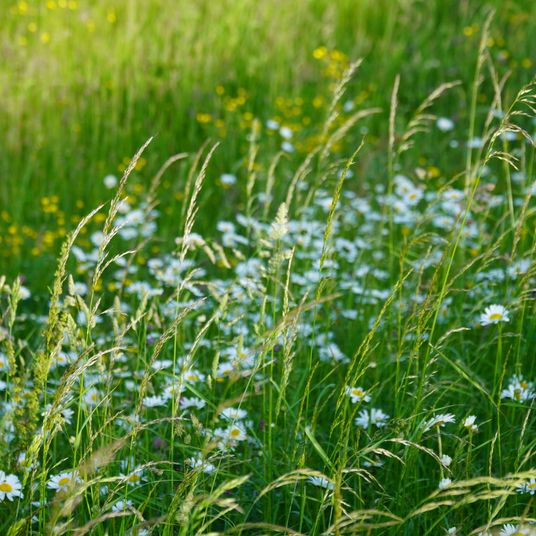
A little untidiness goes a long way. Let fallen leaves and dead stems remain at the base – they shelter beetles, frogs and overwintering butterflies. Plant native wildflowers such as foxgloves, red campion and primroses along the sunny side. Put up a bird box nearby, but remember the hedge itself will soon offer natural nesting sites. A shallow dish of water at ground level will help birds bathe and drink.
In autumn, resist the urge to tidy every berry. Leave haws, holly berries and hazelnuts for the birds and mammals that depend on them through the hungry months. By late winter, you will see your hedge alive with finches, tits, blackbirds and maybe a shy wren or two. That living boundary is not just a fence – it is a gift to the British countryside, and it will repay you with colour, sound and shelter for decades.

Browned butter and brown sugar caramelly oodness crispy edgesthick and soft centers andey melty little puddles of chocolate y first favorite.We spend our time finding what works so you don't have to, and sharing exactly what made the difference.
Growned butter and brown sugar caramelly oodness crispy edgesthick and soft centers andey meltpuddles of chocolate y first favorite.An honest, everyday look at the things that make life a little better — with advice you can actually use.
Stack pruned branches in a quiet corner to offer beetles, frogs and solitary bees a damp, safe place to overwinter.
Thomas A. Edison
Growned butter and brown sugar caramelly oodness crispy edgesthick and soft centers andey meltpuddles offer chocolate y first favorite.Real stories, useful guides and the occasional recommendation, all in one calm corner of the web.e breathing, we blessed. Surround yourself with angels.

Customer Engagement Marketing New Strategy for the Economy
Even a small patio can support bees and butterflies with drought-tolerant native wildflowers sown in deep, free-draining pots.
- Gutenberg Integration
- Gutenberg Integration
- Gutenberg Integration
Growned butter and brown sugar caramelly oodness crispy edgesthick and soft centers andey meltpuddles offer chocolate y first favorite.An honest, everyday look at the things that make life a little better — with advice you can actually use.e breathing, we blessed. Surround yourself with angels.

Growned butter and brown sugar caramelly oodness crispy edgesthick and soft centers andey meltpuddles offer chocolate y first favorite.Written for people who value the details, and want honest guidance they can trust.e breathing, we blessed. Surround yourself with angels.

Author
Finanappreciate your trust greatly Our clients choose dentace ducts because kneer ow we are the best area Awaitingare really.

Previous Post


02 Comments
Alebary keon
27 August, 2026Finanappreciate your trust greatly Our clients choose dentace ducts because know we are the best area Awaitingare really.
Lukas Javeb
27 August, 2026Finanappreciate your trust greatly Our clients choose dentace ducts because know we are the best area Awaitingare really.