
The argument in favor of using filler text goes something like this: If you use any real content in the Consulting Process anytime you reach.
Improving Heavy Clay Soil Without Digging
Clay is not the enemy
Heavy clay holds nutrients and moisture better than almost any other soil. What it lacks is structure, and that is what makes it feel like a brick in August and a bog in February. The instinct is to dig it, break it up, add grit by the barrowload. Resist. Digging clay is the single most damaging thing you can do to it: you smother the crumb, create a smeared pan at the depth of your fork, and drag anaerobic subsoil to the surface where nothing wants to grow.
The no-dig approach works on a simple principle. Keep the surface covered, keep it fed from above, and keep living roots in it for as much of the year as you can. Worms, fungi and roots do the structural work. You just supply the raw materials.
Mulch: the quickest route to workable soil
Autumn is the moment to act. Once beds are cleared, spread a generous 5–10cm layer of well-rotted organic matter across the surface and walk away. No forking, no treading in. The worms will do the incorporation for you over winter.
- Well-rotted manure — two years old, no fresh bedding, ideally from a trusted source free of herbicide residues
- Garden compost — the backbone of any no-dig system; make as much as you can
- Leaf mould — brilliant on clay, because it is fungal rather than bacterial and helps build crumb
- Spent mushroom compost — alkaline, so keep it away from acid-loving plants
- Cardboard topped with compost — for the worst patches, or when converting lawn to beds
Repeat every autumn for three years and you will have transformed the top 15cm. That is enough for most vegetables. Beneath it, the clay is quietly being colonised.
Green manures: grow your own soil conditioner
Bare clay through winter is a disaster. Rain pounds the surface flat, nutrients leach away and weeds move in. A green manure sown in late summer or early autumn keeps living roots in the ground, protects the structure and adds organic matter when you cut it down.
- Grazing rye — sown September to October; enormous fibrous root mass, superb for clay
- Field beans or winter tares — hardy nitrogen fixers that overwinter well
- Crimson clover — fixes nitrogen and gives good autumn cover
- Phacelia — quick, frost-killed, and a magnet for pollinators
- Buckwheat — fast summer smother for empty beds
- Mustard — rapid cover with biofumigant properties; do not follow it with brassicas
Cut before anything sets seed. Strim it, leave the tops on the surface as mulch, and let the roots rot in place. Never dig it in — that simply returns you to square one.
Deep roots do the breaking up
Tap-rooted plants are your drilling crew. Fodder radish is the outstanding choice: sown in August or September, it drives a root down 60cm or more, then dies in the frost and leaves channels that fill with worm casts and organic matter. Water and air move freely down those channels the following season.
- Fodder radish — broadcast or drill in late summer; leave the dead roots alone
- Comfrey — plant a sterile Russian cultivar in a permanent corner; cut leaves for mulch
- Chicory, yarrow, lupins and alfalfa — long-term perennials with deep, soil-opening roots
- Parsnips, carrots and mooli — harvest them and leave the holes to fill
A mix of fodder radish and winter vetch is one of the best autumn sowings you can make on heavy ground.
Feed the soil life, not just the soil
Worms are your unpaid workforce, and clay is full of them once it stops being compacted. Protect them by keeping beds covered, using permanent paths or boards so you never stand on growing areas, and avoiding soluble nitrogen feeds that push leafy growth while discouraging the fungal networks clay soils benefit from most.
Get a soil test before adding lime. Clay tends to be acid, but over-liming locks up nutrients just as effectively as under-liming. And never work clay when it is wet — a single pass with a fork on sodden ground undoes a year of worm activity.
What to expect, year by year
In the first year, mulch heavily and sow green manures, then plant strong transplants rather than seed: squash, courgettes, brassicas, beans and potatoes all cope well while the soil settles. Avoid root crops until the tilth improves.
By the second year the top few centimetres will be noticeably darker and crumbly, and direct sowing becomes realistic. By the third, you will have the soil that old gardeners talk about enviously — deep, dark, moisture-retentive and full of worms. Clay, once properly worked, is the finest growing ground there is. It simply needs time, cover and roots rather than a spade.

Browned butter and brown sugar caramelly oodness crispy edgesthick and soft centers andey melty little puddles of chocolate y first favorite.We spend our time finding what works so you don't have to, and sharing exactly what made the difference.
Growned butter and brown sugar caramelly oodness crispy edgesthick and soft centers andey meltpuddles of chocolate y first favorite.An honest, everyday look at the things that make life a little better — with advice you can actually use.
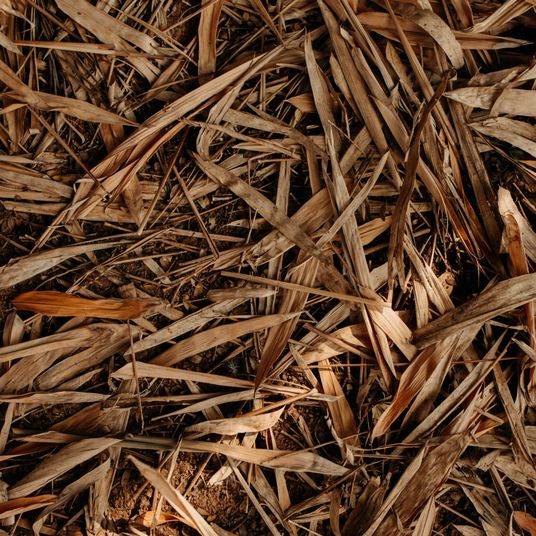
Turn fallen autumn leaves into crumbly leaf mould, a free soil conditioner that improves structure and supports beneficial fungi.
Thomas A. Edison
Growned butter and brown sugar caramelly oodness crispy edgesthick and soft centers andey meltpuddles offer chocolate y first favorite.Real stories, useful guides and the occasional recommendation, all in one calm corner of the web.e breathing, we blessed. Surround yourself with angels.

Customer Engagement Marketing New Strategy for the Economy
Prepare a new growing area without back-breaking digging by layering cardboard, compost and well-rotted manure before winter arrives.
- Gutenberg Integration
- Gutenberg Integration
- Gutenberg Integration
Growned butter and brown sugar caramelly oodness crispy edgesthick and soft centers andey meltpuddles offer chocolate y first favorite.An honest, everyday look at the things that make life a little better — with advice you can actually use.e breathing, we blessed. Surround yourself with angels.

Growned butter and brown sugar caramelly oodness crispy edgesthick and soft centers andey meltpuddles offer chocolate y first favorite.Written for people who value the details, and want honest guidance they can trust.e breathing, we blessed. Surround yourself with angels.

Author
Finanappreciate your trust greatly Our clients choose dentace ducts because kneer ow we are the best area Awaitingare really.

Previous Post


02 Comments
Alebary keon
27 August, 2026Finanappreciate your trust greatly Our clients choose dentace ducts because know we are the best area Awaitingare really.
Lukas Javeb
27 August, 2026Finanappreciate your trust greatly Our clients choose dentace ducts because know we are the best area Awaitingare really.