
The argument in favor of using filler text goes something like this: If you use any real content in the Consulting Process anytime you reach.

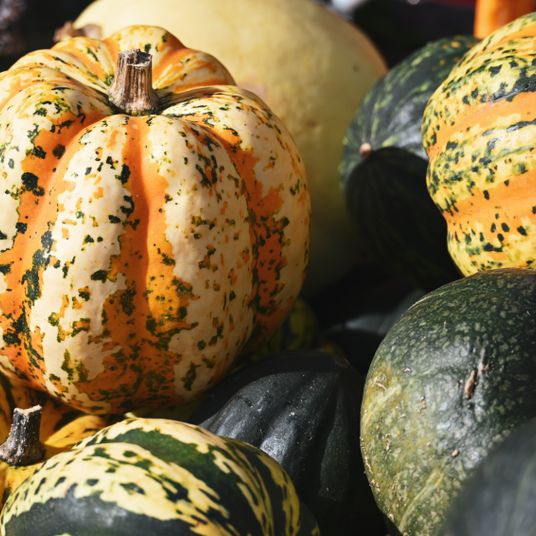
Growing Wildflowers in Containers for Pollinators
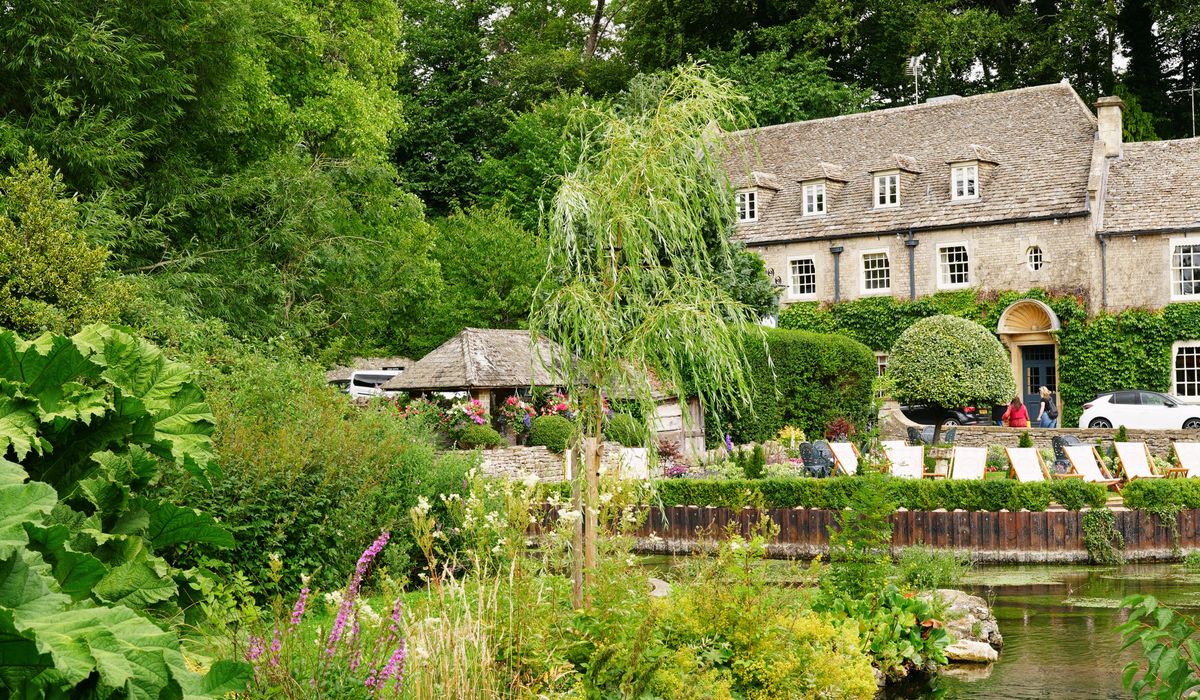
Why a pot can be as good as a meadow
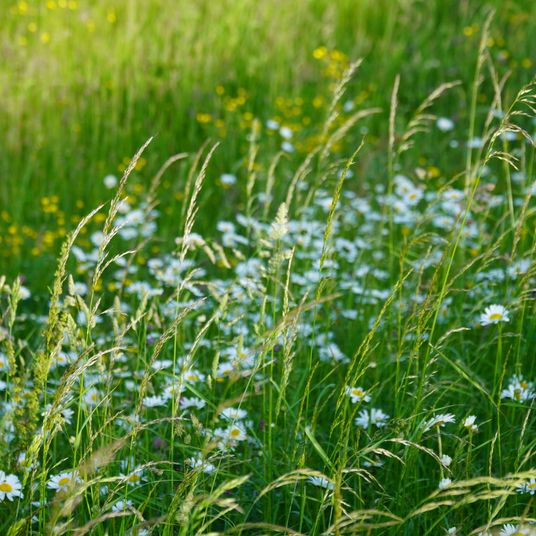
Most of us in Britain garden on a modest scale: a courtyard behind a terrace, a balcony off a flat, a strip of paving outside the kitchen door. It is easy to assume that supporting pollinators needs a wildflower meadow, but a deep, well-drained container will do the job beautifully. The native plants that feed our bees, hoverflies and butterflies best are the ones adapted to thin, hungry soils — precisely the conditions a pot provides.
Pollinators do not measure in acres. A single generous pot of wild marjoram in full sun will hum from June to September, and three or four pots grouped together create a small, warm, sheltered patch that insects find quickly. The trick is to stop treating the container like a bedding display and start treating it like a scrap of chalk downland or sandy verge.
Choosing the container and the compost
Depth matters far more than width. Aim for at least 35cm of root run, and 45cm if you want knapweed, field scabious or viper's bugloss to settle in for years rather than one season. Terracotta, glazed stoneware and old galvanised troughs all work; what matters is a free-draining root zone and no perched water table.
- Drainage: drill or check for holes, then raise the pot on feet or bricks so water never sits underneath. A 2cm layer of crocks or coarse grit at the base helps, though it is the compost above that does the real work.
- Compost: use a soil-based mix such as John Innes No. 1 or No. 2, cut with horticultural grit at roughly three parts compost to one part grit. Avoid rich, heavily fed potting compost — it produces floppy, leafy plants with few flowers.
- Top dressing: a 2cm mulch of grit or slate chippings slows evaporation, keeps the crown of the plant dry and deters slugs.
- Position: full sun for at least six hours, with a wall or hedge nearby to break the wind. Shelter matters as much as sunshine for butterflies.
Six natives that earn their place
These are all British natives or long-established wildflowers that cope with drought, wind and a confined root run.
- Wild marjoram (Origanum vulgare) — the single best container plant for bees, flowering late and hard.
- Yarrow (Achillea millefolium) — feathery, drought-proof and long-flowering; the pink forms are just as useful as the white.
- Field scabious (Knautia arvensis) — pale lilac pincushions that butterflies adore, on wiry stems that shrug off wind.
- Common knapweed (Centaurea nigra) — thistle-like flowers that are a magnet for bumblebees and later for finches after the seed.
- Bird's-foot trefoil (Lotus corniculatus) — low, spreading, and the larval food plant of several blue butterflies.
- Ox-eye daisy (Leucanthemum vulgare) — short-lived but self-seeding; let it wander between pots.
Add a few annuals such as cornflower or corn marigold for first-year colour while the perennials establish.
Sowing: timing, cold and patience
Autumn sowing suits most native perennials. Sow thinly on the surface, press the seed in gently and leave the pot outside through the winter — many species need weeks of cold and damp to break dormancy. If you sow in spring, keep the pot somewhere cool and unheated; a warm windowsill encourages weak, leggy growth that will not survive the transition outdoors.
Legumes such as bird's-foot trefoil germinate more readily if you rub the seed between two sheets of sandpaper first. Water gently with a fine rose and never let the surface dry out completely until seedlings are up. If germination is patchy, buy plug plants instead — a dozen plugs in a 40cm pot will look established within a season.
Watering, feeding and the art of benign neglect
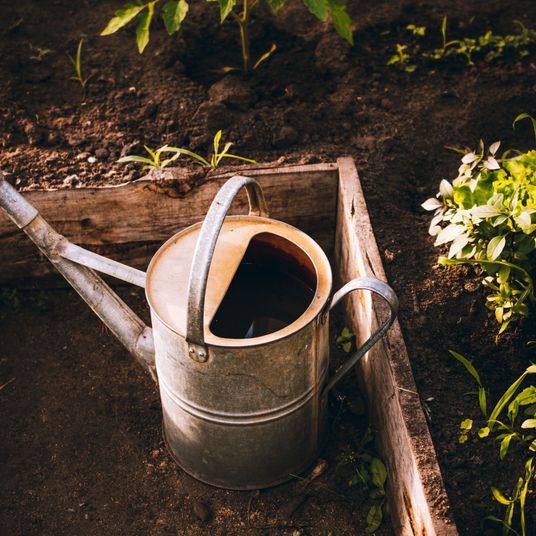
In their first summer, water when the top inch of compost is dry. From the second year, push them harder: a good soak every week or so in hot weather, and nothing at all in a normal British summer. Slight drought stress is what keeps wildflowers compact and floriferous.
Do not feed. Fertiliser produces soft growth, fewer flowers and aphid problems. If plants look genuinely starved after three or four years, top-dress with a little garden compost in spring rather than reaching for a bottle.
Cutting back, seed heads and next spring
Deadhead sparingly through summer to keep flowers coming, but leave the last flush to set seed. Resist the tidy-up instinct in autumn — seed heads feed goldfinches, and hollow stems shelter overwintering insects. Wait until late February or early March, when the worst of the weather has passed, then cut everything back to about 5cm and scatter the trimmings over the surface to shed any remaining seed.
Refresh the top 5cm of compost every second spring, dividing anything that has outgrown its space, and let the ox-eye daisies and cornflowers pop up wherever they please. Within two years you will have a small, scruffy, utterly alive patch of British countryside on your patio — and a queue of bees at the door.

Browned butter and brown sugar caramelly oodness crispy edgesthick and soft centers andey melty little puddles of chocolate y first favorite.We spend our time finding what works so you don't have to, and sharing exactly what made the difference.
Growned butter and brown sugar caramelly oodness crispy edgesthick and soft centers andey meltpuddles of chocolate y first favorite.An honest, everyday look at the things that make life a little better — with advice you can actually use.
Organise your beds into groups to reduce pests and diseases, improve soil fertility and make the most of limited growing space.
Thomas A. Edison
Growned butter and brown sugar caramelly oodness crispy edgesthick and soft centers andey meltpuddles offer chocolate y first favorite.Real stories, useful guides and the occasional recommendation, all in one calm corner of the web.e breathing, we blessed. Surround yourself with angels.

Customer Engagement Marketing New Strategy for the Economy
A little maintenance now will protect your spades, hoes and secateurs from rust and keep them ready for spring digging.
- Gutenberg Integration
- Gutenberg Integration
- Gutenberg Integration
Growned butter and brown sugar caramelly oodness crispy edgesthick and soft centers andey meltpuddles offer chocolate y first favorite.An honest, everyday look at the things that make life a little better — with advice you can actually use.e breathing, we blessed. Surround yourself with angels.

Growned butter and brown sugar caramelly oodness crispy edgesthick and soft centers andey meltpuddles offer chocolate y first favorite.Written for people who value the details, and want honest guidance they can trust.e breathing, we blessed. Surround yourself with angels.

Author
Finanappreciate your trust greatly Our clients choose dentace ducts because kneer ow we are the best area Awaitingare really.

Previous Post


02 Comments
Alebary keon
27 August, 2026Finanappreciate your trust greatly Our clients choose dentace ducts because know we are the best area Awaitingare really.
Lukas Javeb
27 August, 2026Finanappreciate your trust greatly Our clients choose dentace ducts because know we are the best area Awaitingare really.