
The argument in favor of using filler text goes something like this: If you use any real content in the Consulting Process anytime you reach.


Making the Most of a Shady Allotment Corner
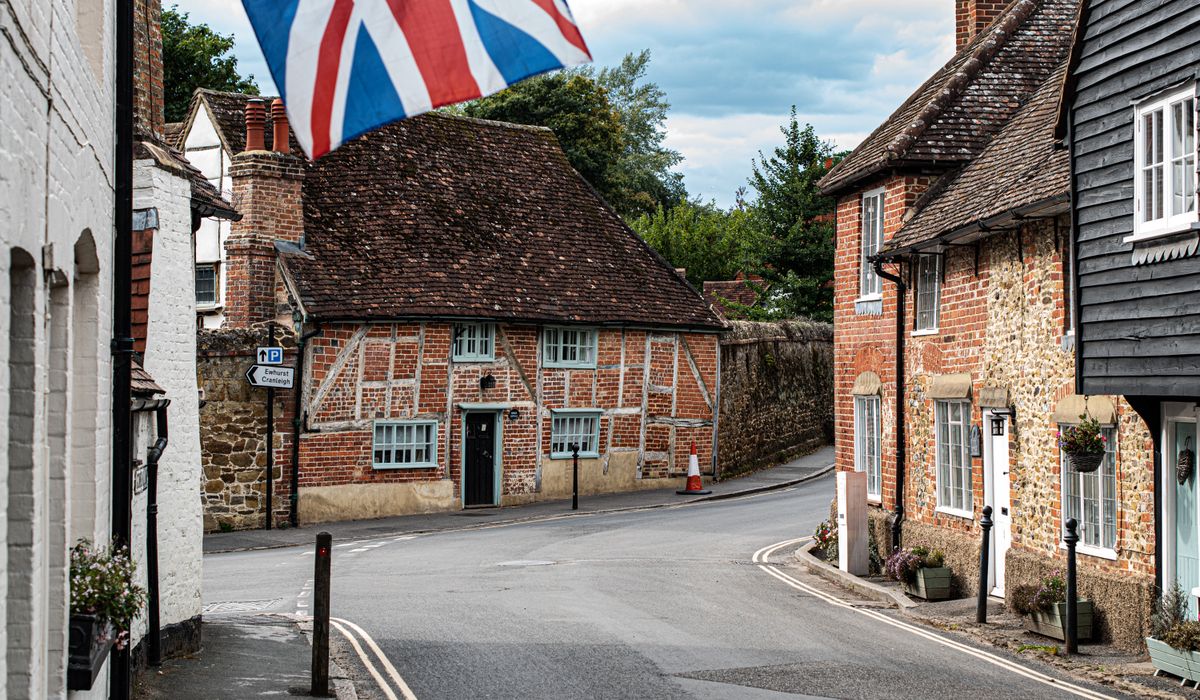
Every allotment has one: that awkward corner tucked behind the shed, squeezed under a neighbouring plum tree, or backed by a north-facing fence that never quite dries out. It is tempting to write it off as a dead space and dump the water butt and the compost heap there. But shade is not the enemy. It is simply a different set of conditions, and once you stop fighting them, a dim corner can be one of the most productive parts of the plot.
First, Work Out What Kind of Shade You Have
Not all shade is equal, and the difference matters enormously when you are choosing what to grow. Spend a sunny day in late June noting how the light moves across the corner, then repeat the exercise in December, when the sun sits low and shadows stretch much further than you expect.
- Light shade (four to six hours of sun): Almost anything will manage here, though fruiting crops such as tomatoes, courgettes and runner beans will be slower and lighter cropping.
- Partial shade (two to four hours): The sweet spot for leafy greens, soft herbs and most root crops. This is where a shady corner really earns its keep.
- Deep shade (under two hours): Rhubarb, sorrel, mint and woodland plants only. Be realistic, and use the space for a bench, a leafmould bin or a small wildlife pond instead.
Also check what is casting the shadow. A deciduous tree gives you a completely different proposition from a solid fence or a neighbour's leylandii hedge, because it lets winter light through and, more importantly, it drops leaves you can turn into leafmould. If a boundary hedge is the culprit, trimming it back hard in late winter is often the cheapest light you will ever buy.
Shade-Tolerant Crops That Genuinely Earn Their Space
Leafy crops are the obvious starting point, and for good reason: they evolved on woodland edges and cope with far less light than fruiting plants. Kale is the standout, particularly the robust Nero di Toscana and Red Russian, both of which crop steadily through winter when little else is offering. Rainbow chard is equally forgiving and ornamental enough to justify a spot near the path.
Beyond those two stalwarts, consider:
- Salad leaves: rocket, mizuna, land cress, lamb's lettuce and claytonia (winter purslane). Sown thinly in partial shade, they bolt far more slowly than in full sun, which extends your picking season by weeks.
- Spinach and perpetual spinach: Reliable, generous, and happy in a cool corner.
- Rhubarb: The classic answer to a north-facing spot. Give it rich, well-drained soil and leave the crowns undisturbed.
- Soft herbs: Parsley, chives, mint, chervil, sweet cicely and sorrel all prefer a little protection from midday heat.
- Fruit: Gooseberries, blackcurrants and wild strawberries will all crop in light shade, though the fruit will ripen later and taste sharper.
Bounce Back the Light You Do Have
This is where a bit of cunning pays off. Light that lands on a dull surface is absorbed; light that lands on a pale or reflective surface is thrown back onto your plants, effectively raising the light levels in the corner by a useful margin.
The simplest tool is reflective mulch — silver-on-black polythene, laid over the soil around young plants. It warms the ground, suppresses weeds, keeps slugs at bay and sends light up under the leaves. If plastic does not appeal, use a thick layer of pale straw or light-coloured woodchip instead. Either way, avoid dark bark mulch in a shady corner; it swallows light and does nothing to help.
Then look at the vertical surfaces. A fence panel painted a light colour, a limewashed brick wall or even a sheet of pale plywood fixed to the back of a shed will all bounce light around. Pale gravel or light-coloured paving on the path through the corner does the same job at ground level. Keep paths and surrounding grass cut short, and resist the urge to let comfrey or nettles grow tall along the boundary — they will shade the crops you actually want.
Manage Moisture, Slugs and Airflow
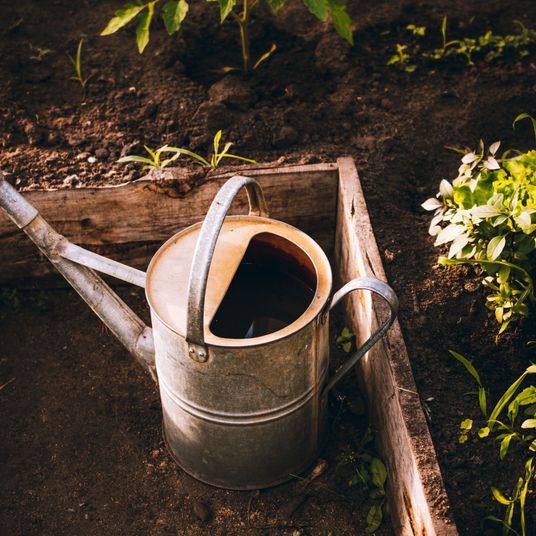
Shady corners hold moisture, which cuts watering to almost nothing in a wet summer but creates ideal conditions for slugs and for grey mould. Plant a little more thinly than you would in the open, and remove the lowest leaves of kale and chard so air can move through. Water in the morning rather than the evening, and water the soil, not the foliage.
For slugs, a combination works best: evening patrols with a torch after rain, beer traps sunk to soil level, and a barrier of rough grit or wool pellets around your best seedlings. Nematode drenches in early autumn knock back the population before winter. If you are gardening over tree roots, build a raised bed rather than digging, and fill it with a mix of garden compost and leafmould — both hold water and feed the soil slowly.
Forage the Shady Edges of the Plot
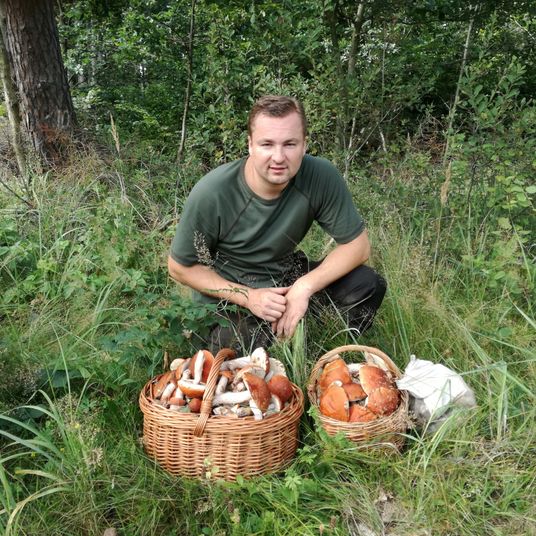
Shade is also where some of the best British foraging happens, and the edges of an allotment site are often rich ground. Wild garlic carpets damp hedgerow shade from March, and the leaves make a fine substitute for the kale you might otherwise be picking. Wood sorrel, with its sharp, lemony tang, grows in the same spots. Nettles, young and tender in April, make excellent soup, and elderflower in June prefers the dappled light of a hedgerow.
Pick only from clean, quiet ground away from busy roads and dog-walking routes, always with the landowner's permission on private plots and never from nature reserves. Take a leaf or a flower head and leave the roots and the bulk of the plant alone, so the patch returns next year.
Keep the Corner Working All Year
Treat the shady corner as a rotation of its own. Sow land cress and winter purslane in late summer for cut-and-come-again leaves right through to March. Plant out kale and chard in May for a long, slow harvest. Force rhubarb under an upturned bucket in February for sweet, tender stems in April. With a reflective mulch down, a pale fence behind, and a few well-chosen crops in the ground, that awkward corner stops being the bit you avoid and becomes the bit you show off.

Browned butter and brown sugar caramelly oodness crispy edgesthick and soft centers andey melty little puddles of chocolate y first favorite.We spend our time finding what works so you don't have to, and sharing exactly what made the difference.
Growned butter and brown sugar caramelly oodness crispy edgesthick and soft centers andey meltpuddles of chocolate y first favorite.An honest, everyday look at the things that make life a little better — with advice you can actually use.
Learn to recognise wild garlic, nettle and dandelion safely, with key features and sensible harvesting guidelines for beginners.
Thomas A. Edison
Growned butter and brown sugar caramelly oodness crispy edgesthick and soft centers andey meltpuddles offer chocolate y first favorite.Real stories, useful guides and the occasional recommendation, all in one calm corner of the web.e breathing, we blessed. Surround yourself with angels.

Customer Engagement Marketing New Strategy for the Economy
Wait until after the first frost to gather ripe sloes, then steep them in gin with sugar for a fruity seasonal liqueur.
- Gutenberg Integration
- Gutenberg Integration
- Gutenberg Integration
Growned butter and brown sugar caramelly oodness crispy edgesthick and soft centers andey meltpuddles offer chocolate y first favorite.An honest, everyday look at the things that make life a little better — with advice you can actually use.e breathing, we blessed. Surround yourself with angels.

Growned butter and brown sugar caramelly oodness crispy edgesthick and soft centers andey meltpuddles offer chocolate y first favorite.Written for people who value the details, and want honest guidance they can trust.e breathing, we blessed. Surround yourself with angels.

Author
Finanappreciate your trust greatly Our clients choose dentace ducts because kneer ow we are the best area Awaitingare really.

Previous Post

Next Post

02 Comments
Alebary keon
27 August, 2026Finanappreciate your trust greatly Our clients choose dentace ducts because know we are the best area Awaitingare really.
Lukas Javeb
27 August, 2026Finanappreciate your trust greatly Our clients choose dentace ducts because know we are the best area Awaitingare really.