
The argument in favor of using filler text goes something like this: If you use any real content in the Consulting Process anytime you reach.


Weaving a Simple Willow Plant Support
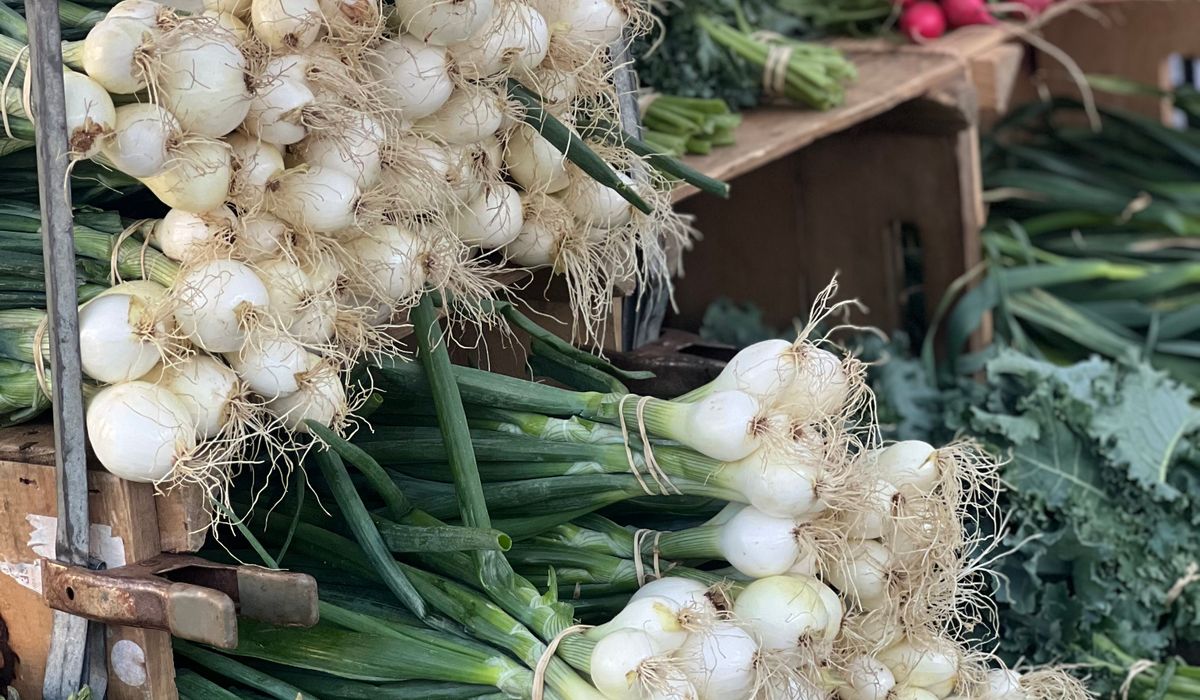
Why Willow Makes the Finest Plant Supports
There is something deeply satisfying about a plant support you can grow, cut and weave yourself. Willow — particularly common osier (Salix viminalis) or purple willow (Salix purpurea) — has been coppiced in British hedgerows and withy beds for centuries, and its rods remain the finest material for a rustic kitchen-garden obelisk. Freshly cut rods bend like rope without snapping. Once dry, they stiffen into a sturdy frame that will hold climbing beans, sweet peas or a tangle of tender herbs right through the season.
Unlike bamboo canes and plastic netting, a willow obelisk looks as though it belongs in a cottage garden, and when it finally gives up after four or five years you can simply chop it up and add it to the compost heap. What is more, if you push it into damp soil the uprights will often sprout, giving you a leafy — if slightly top-heavy — living structure.
Choosing, Cutting and Soaking Your Rods
For a standard obelisk of about 1.5m, you will need between twelve and eighteen rods. Aim for a mix: roughly six to eight thick, straight rods at pencil-thickness or more for the uprights, and a dozen thinner, whippier rods for weaving. Lengths between 1.2m and 1.8m are ideal — anything shorter and you will struggle to close the top convincingly.
Willow is cut in the dormant season, ideally between November and early March. If you have your own willow patch, cut on the day you intend to weave and the rods will be wonderfully supple. Dried rods bought or saved from last year are just as good, provided you rehydrate them properly.
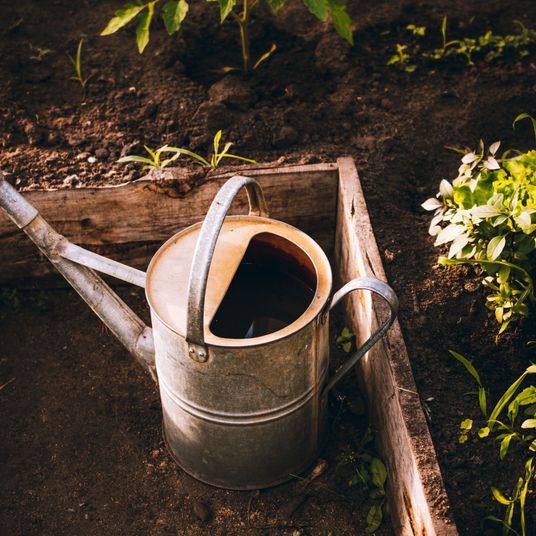
- Stand the rods in a water butt, trough or old bath, fully submerged.
- Weigh them down with a brick so they do not float.
- Leave thin rods for five to seven days and thick ones for up to ten.
- Keep unused rods wrapped in a damp sack or old towel while you work.
If a rod cracks as you bend it, it has not soaked long enough. Return it to the water and start with another. A dry rod is a broken rod, so always keep spares within reach — and if your hands are cold, a pair of thin gardening gloves will spare your palms without costing you too much feel.
Setting Out the Base
Choose a spot with reasonably workable ground — pushing uprights into bone-dry summer soil is an exercise in frustration. Early spring, when the ground is still soft from winter rain, is the perfect moment.
Mark a circle roughly 40–50cm across, using a stick and a piece of string if it helps. Push the thick uprights into the soil at even spacing around this circle, sinking them 15–20cm deep. Do not be timid: a firm push, or a gentle tap with a mallet onto a wooden block, is better than a shallow insertion that wobbles in the first gust of wind.
Then bring the tops together loosely and check the shape. You are aiming for a gentle cone, not a tight bundle. If one rod is noticeably shorter, swap it for another now, while the frame is still loose.
Weaving the Hoops
This is where the obelisk comes to life. Take a thin rod and weave it in and out of the uprights, working right around the circle to form a hoop about 15cm above the ground. Bend the rod gently as you go and let it follow its own natural curve rather than forcing it.
When you reach the rod's end, tuck it neatly inside the structure, running it alongside an upright and letting the tension hold it. Begin the next hoop with a fresh rod, starting a little further along so the joins do not stack up in one place. Spiral upwards, placing hoops every 15–20cm.
As you climb, gradually close the circle. Each hoop should be a little smaller than the last, drawing the uprights inwards. Keep checking that the frame is standing vertically — a lean now will be harder to correct later. Aim for six to eight hoops on a 1.5m obelisk. For sweet peas, four or five are plenty; for heavy climbing beans, add extra for strength. If you have a long, flexible rod, you can run a continuous spiral instead of separate hoops, which looks beautiful but demands more patience.
Closing the Top and Finishing Touches
Gather the uprights together at the desired height and bind them firmly. A thin, well-soaked rod wrapped three or four times around the bundle and then tucked through itself makes a neat, traditional finish. Alternatively, twine or jute string will do the job and can be replaced as it weathers.
Snip off any protruding ends with sharp secateurs, cutting flush so they do not catch on your sleeves or the plants. Stand back and give the whole structure a gentle shake. It should feel firm and slightly springy, not sloppy.
Planting Up and Looking After It
- Climbing French and runner beans — one or two plants per upright.
- Sweet peas, which appreciate the narrow shape and easy picking access.
- Cucumbers and gherkins, trained upwards to save ground space.
- Coriander, dill and other herbs that flop after rain.
Sow or plant at the base, guiding the first tendrils towards the willow within a week or two. Water the plants, not the structure, and top-dress with garden compost. Any shoots that sprout from the willow itself can be pinched out to keep the structure tidy and prevent it becoming top-heavy. Treated kindly, a well-made obelisk will serve you for years — and give you a very good excuse to plant a willow patch of your own.

Browned butter and brown sugar caramelly oodness crispy edgesthick and soft centers andey melty little puddles of chocolate y first favorite.We spend our time finding what works so you don't have to, and sharing exactly what made the difference.
Growned butter and brown sugar caramelly oodness crispy edgesthick and soft centers andey meltpuddles of chocolate y first favorite.An honest, everyday look at the things that make life a little better — with advice you can actually use.
Harvest rosemary, sage and thyme on a dry morning, then air-dry small bunches in a dark, well-ventilated room.
Thomas A. Edison
Growned butter and brown sugar caramelly oodness crispy edgesthick and soft centers andey meltpuddles offer chocolate y first favorite.Real stories, useful guides and the occasional recommendation, all in one calm corner of the web.e breathing, we blessed. Surround yourself with angels.

Customer Engagement Marketing New Strategy for the Economy
Learn a simple jar test to discover whether your garden soil is sandy, silty or clay, then choose the right amendments.
- Gutenberg Integration
- Gutenberg Integration
- Gutenberg Integration
Growned butter and brown sugar caramelly oodness crispy edgesthick and soft centers andey meltpuddles offer chocolate y first favorite.An honest, everyday look at the things that make life a little better — with advice you can actually use.e breathing, we blessed. Surround yourself with angels.

Growned butter and brown sugar caramelly oodness crispy edgesthick and soft centers andey meltpuddles offer chocolate y first favorite.Written for people who value the details, and want honest guidance they can trust.e breathing, we blessed. Surround yourself with angels.

Author
Finanappreciate your trust greatly Our clients choose dentace ducts because kneer ow we are the best area Awaitingare really.

Previous Post

Next Post

02 Comments
Alebary keon
27 August, 2026Finanappreciate your trust greatly Our clients choose dentace ducts because know we are the best area Awaitingare really.
Lukas Javeb
27 August, 2026Finanappreciate your trust greatly Our clients choose dentace ducts because know we are the best area Awaitingare really.