
The argument in favor of using filler text goes something like this: If you use any real content in the Consulting Process anytime you reach.


Building a Hot Compost Heap in Autumn

Why Autumn Is the Compost Maker's Golden Hour
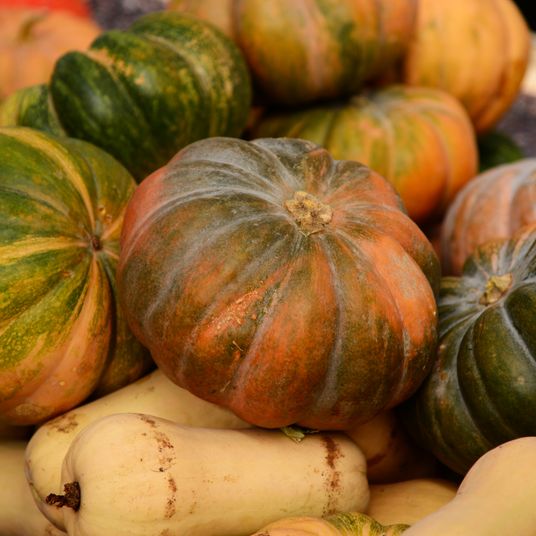
There's a moment in late September and October when the garden hands you exactly what a hot heap needs. The borders are still throwing out grass clippings and soft herbaceous prunings, the kitchen is filling with apple cores, squash skins and spent tomato plants, and the trees are about to drop more carbon-rich material than you could ever buy in a bag. Put those three streams together and you have the raw ingredients for a heap that will steam through November and give you finished compost by early spring.
The window matters. A heap built in high summer dries out and sulks; one built in the depths of January sits cold and inert. Autumn is the sweet spot – the ground is still warm, there's residual heat in the air, and the mix of fresh green material and fallen leaves is naturally balanced. Build it now, while your hands are still comfortable without gloves, and the biology does the rest.
The Recipe: Balancing Carbon and Nitrogen
Hot composting is really just feeding microbes efficiently. They want carbon for energy and nitrogen for protein, and roughly the right amount of water and air. Too much carbon and the heap sits there for a year; too much nitrogen and it turns into a slimy, ammonia-smelling mess that attracts flies and foxes.
Aim for about two to three parts brown material to one part green by volume. In autumn, that's easy:
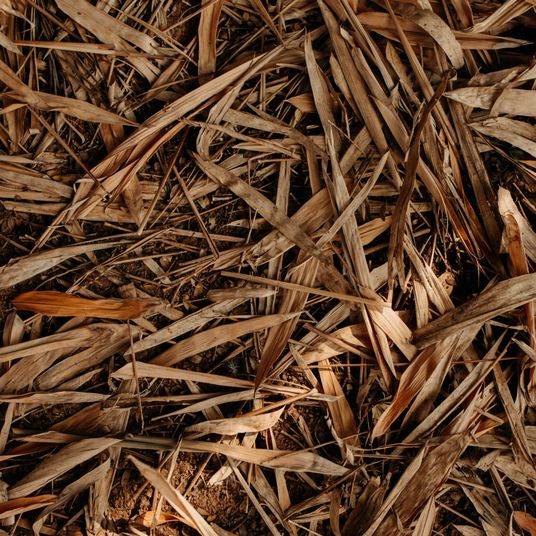
- Browns (carbon): fallen leaves, shredded cardboard and paper, straw, spent bedding from the hen house, chopped woody prunings, sawdust in small amounts.
- Greens (nitrogen): grass clippings, vegetable peelings, tea leaves and coffee grounds, annual weeds before they set seed, comfrey and nettle tops, spent bedding plants.
- Activators: a couple of spadefuls of finished compost or garden soil, a handful of chicken manure pellets, or a bucket of diluted nettle feed poured between layers.
Leaves are the star of the autumn show, but treat them thoughtfully. Oak, beech and sycamore break down slowly; run the mower over them or shred them with a strimmer in a wheelbarrow to halve their volume and kick-start decomposition. A heap that's 60 per cent shredded leaves and 40 per cent green material will heat within days.
Building the Heap, Layer by Layer
Choose a spot that gets some sun and drains well. A heap needs to be substantial to hold its heat – think at least one metre cubed, ideally 1.2 metres in each direction. Smaller than that and the core never gets going. If you're using a plastic dalek bin, fill it completely and pack it reasonably firm.
Start with a 15cm base of coarse twiggy material to let air in from below. Then alternate layers roughly 15–20cm deep: browns, then greens, then a scatter of soil or old compost, then browns again. Keep grass clippings to thin layers of 5cm or less – piled thick, they mat into an anaerobic slab that smells like sewage. Mix as you go with a fork rather than building neat lasagne-style bands; a heterogeneous heap heats more evenly than a layered one.
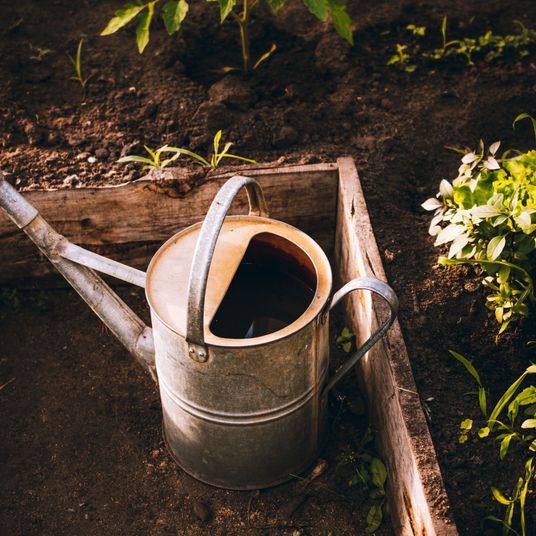
Water as you build if the material is dry. The target is a wrung-out sponge: damp to the touch, but no water squeezing out when you grip a handful. In a wet autumn you'll be doing the opposite – covering the heap with a piece of old carpet, a tarp or a hessian sack to stop it becoming waterlogged and sour.
Getting the Temperature Right
Within three to five days a well-built heap should hit 55–65°C. Push a long-stemmed thermometer into the centre, or simply thrust a metal bar in and feel it – if you can't hold it comfortably, you're in business. Those temperatures, held for three days or more, kill most weed seeds and many plant pathogens, which is why hot composting beats a cold bin hands down.
Turn the heap when the temperature drops back to about 40°C, usually after five to ten days. Move the outside to the middle and the middle to the outside with a fork, rebuilding as you go. Expect two or three turns over the autumn, each one restarting the heat. After the final turn, let it mature for four to six weeks until it stops reheating and cools to ambient.
Troubleshooting a Sulking Heap
- No heat at all: almost always too dry or too little nitrogen. Fork it over, add grass clippings or a diluted nettle feed, and water if needed.
- Smells sour or like rotten eggs: too wet and compacted. Turn it, mix in shredded cardboard or straw, and cover against rain.
- Smells of ammonia: excess nitrogen. Add a generous layer of leaves or cardboard and mix through.
- Attracting rats or foxes: bury kitchen waste in the core rather than tipping it on top, and avoid cooked food, meat, fish and dairy entirely.
- White mould on the surface: perfectly normal – those are the actinomycetes doing their job.
Making the Most of the Result
Come February or March you should have a dark, crumbly, sweet-smelling compost. Screen out any stubborn twigs and return them to the next heap. Spread it as a mulch on beds, fork it into the vegetable patch, or use it to make potting mixes for next year's tomatoes. Nothing beats the feeling of closing the loop: the leaves that fell in October coming back as the soil that grows your beans in June.
One last autumn habit worth adopting: keep a bin of dry shredded leaves in reserve next to the heap. Through winter, every time you add a trug of kitchen scraps, add a matching trug of leaves. That single rhythm – greens, browns, greens, browns – is the whole art of it, and it will keep a heap working right through to spring.

Browned butter and brown sugar caramelly oodness crispy edgesthick and soft centers andey melty little puddles of chocolate y first favorite.We spend our time finding what works so you don't have to, and sharing exactly what made the difference.
Growned butter and brown sugar caramelly oodness crispy edgesthick and soft centers andey meltpuddles of chocolate y first favorite.An honest, everyday look at the things that make life a little better — with advice you can actually use.
A wormery turns vegetable peelings and tea leaves into rich liquid feed and crumbly castings, even in a small garden.
Thomas A. Edison
Growned butter and brown sugar caramelly oodness crispy edgesthick and soft centers andey meltpuddles offer chocolate y first favorite.Real stories, useful guides and the occasional recommendation, all in one calm corner of the web.e breathing, we blessed. Surround yourself with angels.

Customer Engagement Marketing New Strategy for the Economy
Too much moisture or nitrogen can sour a bin; add shredded paper, turn the contents and restore aerobic conditions quickly.
- Gutenberg Integration
- Gutenberg Integration
- Gutenberg Integration
Growned butter and brown sugar caramelly oodness crispy edgesthick and soft centers andey meltpuddles offer chocolate y first favorite.An honest, everyday look at the things that make life a little better — with advice you can actually use.e breathing, we blessed. Surround yourself with angels.

Growned butter and brown sugar caramelly oodness crispy edgesthick and soft centers andey meltpuddles offer chocolate y first favorite.Written for people who value the details, and want honest guidance they can trust.e breathing, we blessed. Surround yourself with angels.

Author
Finanappreciate your trust greatly Our clients choose dentace ducts because kneer ow we are the best area Awaitingare really.

Previous Post


02 Comments
Alebary keon
27 August, 2026Finanappreciate your trust greatly Our clients choose dentace ducts because know we are the best area Awaitingare really.
Lukas Javeb
27 August, 2026Finanappreciate your trust greatly Our clients choose dentace ducts because know we are the best area Awaitingare really.