
The argument in favor of using filler text goes something like this: If you use any real content in the Consulting Process anytime you reach.




Simple Ways to Troubleshoot a Smelly Compost Bin

Why Your Compost Bin Smells (and What the Smell Is Telling You)
A well-managed compost heap should smell of damp woodland floor — earthy, faintly sweet, a bit like the inside of a mushroom box. If yours is giving off something closer to a blocked drain or a school changing room, don't panic. A pongy bin is almost always a bin that has gone anaerobic: the oxygen-loving bacteria that do the fast, clean work have been smooched out by the ones that thrive in airless, sodden conditions. Those anaerobic bacteria produce hydrogen sulphide (rotten eggs), ammonia and various sour organic acids, and they are the reason your bin has become a neighbourhood talking point.
The good news is that this is a fixable problem, usually within a week or two. Two culprits cause the vast majority of smelly bins: too much moisture and too much nitrogen-rich "green" material. Often, it's both at once.
Read the Smell Before You Reach for the Fork
Your nose is a surprisingly precise diagnostic tool. Match what you're smelling to the likely cause:
- Rotten eggs or drains: classic anaerobic conditions. The bin is too wet and too compacted, and air isn't getting in.
- Sharp ammonia or stale urine: too much nitrogen. Grass clippings, kitchen peelings, coffee grounds and manure have overwhelmed the carbon-rich material.
- Sour, vinegary or yeasty: fermentation, often from fruit scraps and bread sitting in a warm, airless heap.
- Rancid or greasy: almost always cooked food, oils or dairy that shouldn't be in a cool home compost bin at all.
Once you've identified the smell, you know which lever to pull.
The Fastest Fix: Rebalance Carbon and Nitrogen
If the bin smells of ammonia, it needs carbon — and it needs it now. Aim for roughly two to four parts "browns" to one part "greens" by volume, though this is a guide rather than a rule. Browns are dry, dead and woody; greens are wet, fresh and living-ish.
Good browns to keep in a sack by the bin:
- Shredded paper, junk mail (avoid glossy inserts), newspaper and envelopes
- Torn-up cardboard, egg boxes, toilet roll tubes and kitchen roll middles
- Autumn leaves, straw, hay, woodchip and sawdust from untreated timber
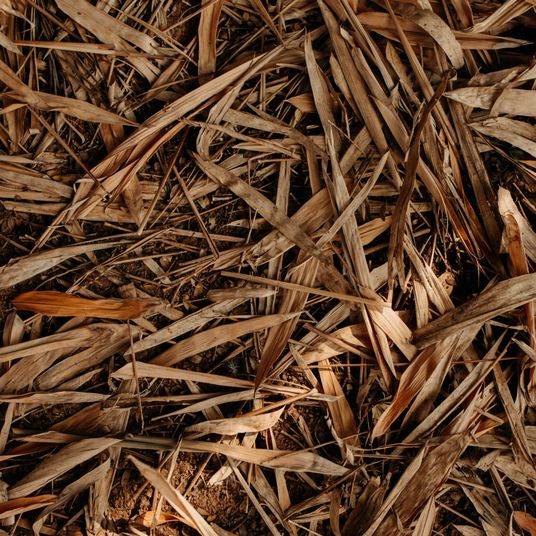
- Dead plant stems, dried bracken and spent hanging basket contents
Add a generous layer, fork it through rather than leaving it on top, and add another layer whenever you tip in kitchen waste. Cardboard torn into palm-sized pieces works far better than whole sheets, which just mat together and create the very airless pockets you're trying to eliminate.
Dry It Out: The Squeeze Test and How to Rescue a Soggy Bin
Pick up a handful from the middle of the heap and squeeze it hard. A healthy bin should feel like a wrung-out sponge — damp, but only releasing a drop or two. If water runs down your wrist, you have a moisture problem.
To dry things out, start by leaving the lid off for a couple of hours on a dry, breezy day. Then work through these steps:
- Fork the whole heap over, breaking up claggy lumps and mixing in dry browns as you go.
- Check the base. If your bin sits on solid paving, water has nowhere to go. Stand it on soil or raise it on bricks and add a 10cm layer of twiggy prunings at the bottom as a drainage and air channel.
- Drill or check for ventilation holes around the upper sides if your bin is a sealed plastic dalek — but only a dozen or so, and cover them with mesh to keep rats and flies out.
- Stop adding wet material for a fortnight while it recovers. Store kitchen scraps in a sealed caddy, or start a second bin.
Turn, Aerate and Get the Pile Cooking Again
Oxygen is the missing ingredient in most smelly bins, and turning is the cure. Once a week, use a fork to drag the outside of the heap into the middle and bury the middle around the edges. You don't need to empty the bin entirely — a good rummage through the top two-thirds is enough.
For a dalek-style bin with a narrow neck, a compost aerator or even a stout broom handle pushed in and wiggled about does the job. Push it down to the base in several spots, wiggling to create vertical air channels.
As a final nudge, sprinkle in a couple of handfuls of finished compost, garden soil or leafmould. This reintroduces the right microbes and helps the heap heat up again. Within a few days you should notice the temperature rising and the smell fading. Lime or wood ash can sweeten a heap temporarily, but treat it as a sticking plaster — it won't fix a wet, airless bin.
Kitchen Caddy Habits That Stop It Coming Back
Prevention is mostly about what goes in and how. Keep a lidded caddy, empty it every two or three days rather than letting it stew, and wrap scraps in a sheet of newspaper or a torn cardboard tray before tipping them in.
- Never add meat, fish, dairy, cooked food, oils or dog and cat faeces to a cool home bin.
- Leave grass clippings on the lawn, or mix them thoroughly with cardboard — never tip in a solid, unbroken layer.
- Give citrus peel, onion skins and bread in moderation only.
- Layer everything: a bucket of greens, then a bucket of browns, like lasagne.
Tuning Your Bin to the British Seasons
Summer is peak smelly-bin season, because grass grows faster than most of us can compost it. Mix every mowing with shredded paper or cardboard, or leave it to wilt for a day before adding it. In winter, cold, wet conditions slow everything down, so add extra browns, keep the lid firmly on to stop rain getting in, and accept that decomposition will pause until spring. A wormery or a bokashi bin can take the pressure off between November and March, keeping your main heap sweet and ready for the growing year ahead.

Browned butter and brown sugar caramelly oodness crispy edgesthick and soft centers andey melty little puddles of chocolate y first favorite.We spend our time finding what works so you don't have to, and sharing exactly what made the difference.
Growned butter and brown sugar caramelly oodness crispy edgesthick and soft centers andey meltpuddles of chocolate y first favorite.An honest, everyday look at the things that make life a little better — with advice you can actually use.
Gather ripe rosehips after the first frost and simmer them gently to create a vitamin-rich syrup for winter drinks.
Thomas A. Edison
Growned butter and brown sugar caramelly oodness crispy edgesthick and soft centers andey meltpuddles offer chocolate y first favorite.Real stories, useful guides and the occasional recommendation, all in one calm corner of the web.e breathing, we blessed. Surround yourself with angels.

Customer Engagement Marketing New Strategy for the Economy
Use soaked willow rods to weave a sturdy obelisk for climbing beans, sweet peas or tender herbs in a kitchen garden.
- Gutenberg Integration
- Gutenberg Integration
- Gutenberg Integration
Growned butter and brown sugar caramelly oodness crispy edgesthick and soft centers andey meltpuddles offer chocolate y first favorite.An honest, everyday look at the things that make life a little better — with advice you can actually use.e breathing, we blessed. Surround yourself with angels.

Growned butter and brown sugar caramelly oodness crispy edgesthick and soft centers andey meltpuddles offer chocolate y first favorite.Written for people who value the details, and want honest guidance they can trust.e breathing, we blessed. Surround yourself with angels.

Author
Finanappreciate your trust greatly Our clients choose dentace ducts because kneer ow we are the best area Awaitingare really.

Previous Post

Next Post

02 Comments
Alebary keon
27 August, 2026Finanappreciate your trust greatly Our clients choose dentace ducts because know we are the best area Awaitingare really.
Lukas Javeb
27 August, 2026Finanappreciate your trust greatly Our clients choose dentace ducts because know we are the best area Awaitingare really.