
The argument in favor of using filler text goes something like this: If you use any real content in the Consulting Process anytime you reach.
Identifying Common Wild Greens in Spring Hedgerows
Why Spring Is the Best Time to Learn Your Local Hedgerow
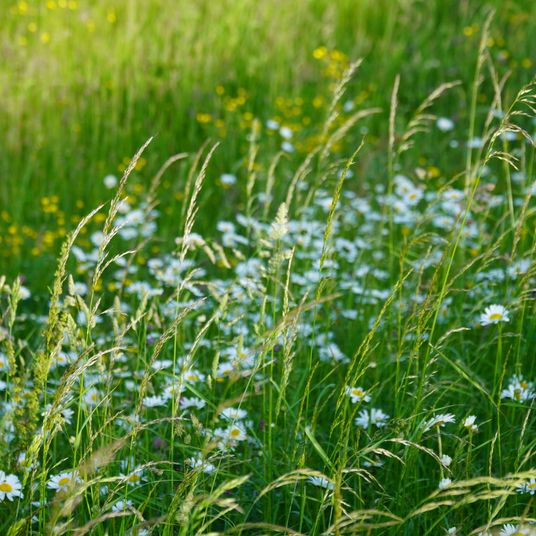
There is a fortnight in late March and early April when the hedgerows seem to wake up all at once. The blackthorn blossom goes over, the hawthorn buds begin to break, and the first really useful wild greens appear beneath them. For anyone interested in seasonal eating, this is the kindest time of year to start foraging, because the plants you are looking for are fresh, tender and — crucially — not yet crowded out by the summer growth that makes identification trickier.
The three greens below are the ones I would teach a complete beginner first. They are abundant, they grow in ordinary hedgerows and verges, and they have enough distinguishing features to be recognised with confidence rather than hope.
Wild Garlic (Ramsons)
Wild garlic carpets woodland edges and damp hedge bottoms, often in sheets so dense that the smell reaches you before the leaves do. Each leaf is broad and softly pointed, mid-to-deep green, and grows from the base rather than up a stem. The flowers, appearing a little later, are small white stars in loose clusters on triangular stems.
The single most reliable test is scent. Pick one leaf, tear it and smell it: a clean, unmistakable garlic aroma means you have ramsons. If a leaf looks similar but smells of nothing much, or of grass, put it down. A handful of harmless-looking plants share that broad-leaf shape, including young lords-and-ladies and lily of the valley, and those are not for eating.
Harvest by taking one leaf from each plant across a wide area rather than stripping a clump bare. The bulbs stay in the ground; you only want the leaves. They make excellent pesto, chop well into butter, and wilt beautifully into an omelette.
Stinging Nettle
Nobody needs help finding nettles, but plenty of people do not realise how good they are to eat in spring. Look for the top two or three pairs of leaves on young plants, which are still soft and deep green. Older nettles develop gritty crystals and become unpleasant.
Wear gloves and pinch or snip the growing tip, leaving the lower plant to carry on. The sting is destroyed by heat, so a brief blanch in boiling water — thirty seconds is plenty — turns them into a mild, spinach-like green. Nettle soup is the classic, but they also work in a tart, folded through mashed potato, or dried and used as a mineral-rich tea.
Two warnings worth remembering. Do not pick nettles that are already flowering, as they can irritate the kidneys, and take care not to confuse them with white dead-nettle, which is harmless but has a square stem, a mint-like leaf and a ring of white flowers around it.
Dandelion
Dandelions are so familiar that they are almost invisible, which is exactly why beginners should look at them properly. A true dandelion has a rosette of deeply toothed leaves growing flat to the ground, a single yellow flower per stem, and a stem that is smooth, leafless and hollow. Snap it and a milky sap appears.
The leaves are bitter, and that bitterness softens considerably if you pick them young and early. Use the youngest inner leaves raw in a salad with something fatty — bacon, egg, a mustard dressing — or cook the larger ones to take the edge off. The roots can be scrubbed, dried and roasted for a coffee substitute, and the unopened buds are a decent caper stand-in.
Be careful with lookalikes. Hawkweeds and hawkbits have hairy leaves and usually more than one flower per stem, and cat's ear has a branched, solid stem. If it is not one flower on one hollow stem, it is not a dandelion.
Harvesting Guidelines Worth Following
Good foraging leaves the plant and the place better than you found them. A few simple habits will keep you right:
- Take a little from many plants, never everything from one. A useful guide is no more than one leaf in five, or one plant in twenty where you are taking whole tips.
- Never uproot a wild plant without the landowner's permission. Picking foliage and flowers for personal use is generally accepted, but digging is a different matter.
- Avoid busy roadside verges, sprayed field edges, footpaths popular with dogs, and any ground that looks dressed with fresh manure.
- Leave protected sites alone. Nature reserves, Sites of Special Scientific Interest and councils' planted borders are not your larder.
- Wash everything in cold water, discard anything wilted or nibbled, and use it within a day or two.
Building Confidence Before You Cook
The honest advice for a first season is to learn three plants thoroughly rather than twenty vaguely. Take a pocket guide, photograph what you find, and check your identification twice — once in the field and once again at the kitchen table before anything goes in the pan. If you are not completely certain, leave it.
Once wild garlic, nettle and dandelion feel as recognisable as parsley and spinach, the rest of the hedgerow starts to open up. Spring rewards patience, and there is real pleasure in a bowl of soup that cost nothing but a walk and a little attention.

Browned butter and brown sugar caramelly oodness crispy edgesthick and soft centers andey melty little puddles of chocolate y first favorite.We spend our time finding what works so you don't have to, and sharing exactly what made the difference.
Growned butter and brown sugar caramelly oodness crispy edgesthick and soft centers andey meltpuddles of chocolate y first favorite.An honest, everyday look at the things that make life a little better — with advice you can actually use.
Wait until after the first frost to gather ripe sloes, then steep them in gin with sugar for a fruity seasonal liqueur.
Thomas A. Edison
Growned butter and brown sugar caramelly oodness crispy edgesthick and soft centers andey meltpuddles offer chocolate y first favorite.Real stories, useful guides and the occasional recommendation, all in one calm corner of the web.e breathing, we blessed. Surround yourself with angels.

Customer Engagement Marketing New Strategy for the Economy
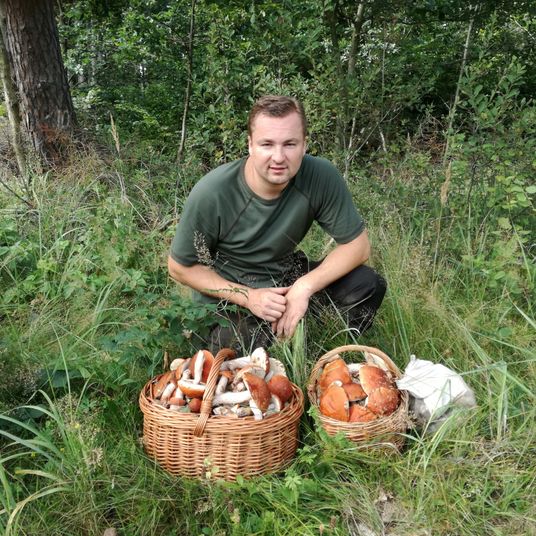
Learn how to harvest fungi ethically, avoid confused species and leave enough for wildlife with a few simple woodland rules.
- Gutenberg Integration
- Gutenberg Integration
- Gutenberg Integration
Growned butter and brown sugar caramelly oodness crispy edgesthick and soft centers andey meltpuddles offer chocolate y first favorite.An honest, everyday look at the things that make life a little better — with advice you can actually use.e breathing, we blessed. Surround yourself with angels.

Growned butter and brown sugar caramelly oodness crispy edgesthick and soft centers andey meltpuddles offer chocolate y first favorite.Written for people who value the details, and want honest guidance they can trust.e breathing, we blessed. Surround yourself with angels.

Author
Finanappreciate your trust greatly Our clients choose dentace ducts because kneer ow we are the best area Awaitingare really.

Previous Post


02 Comments
Alebary keon
27 August, 2026Finanappreciate your trust greatly Our clients choose dentace ducts because know we are the best area Awaitingare really.
Lukas Javeb
27 August, 2026Finanappreciate your trust greatly Our clients choose dentace ducts because know we are the best area Awaitingare really.