
The argument in favor of using filler text goes something like this: If you use any real content in the Consulting Process anytime you reach.



Picking Sloes for Homemade Winter Gin

Why Sloes Are Worth the Wait
There is something quietly satisfying about a hedgerow harvest that turns into a bottle you can bring out at Christmas. Sloe gin is the classic example: a deep, ruby-red liqueur made from the fruit of the blackthorn, sweetened just enough to take the edge off, and steeped slowly over the autumn and early winter. It costs very little to make, requires no special equipment beyond a clean jar and a bottle of gin, and tastes far better than most of what you can buy.
The blackthorn (Prunus spinosa) is one of the most common shrubs in the British countryside. You will find it in hedgerows, along field edges, on scrubby commons and beside footpaths almost everywhere. In spring it is the first thing to flower, a froth of white blossom on bare, wicked-looking branches. By autumn those branches are heavy with small, round, blue-black fruit that look a little like oversized damsons but taste mouth-puckeringly sour.
When to Pick Sloes
The old advice is to wait until after the first frost before picking. There is real sense in this. Frost softens the skin of the sloe and helps break down some of the tannins, which are what make the raw fruit so astringent. In practice, the change is gradual rather than magical, and a single frost will not transform a hard green sloe into a ripe one overnight.
What matters most is picking genuinely ripe fruit. A ripe sloe is a deep, almost blackish blue with a soft grey bloom on the skin, gives slightly when squeezed between finger and thumb, and comes away from the twig fairly easily. If the sloes are hard, greenish and clinging stubbornly, leave them another fortnight.
Picking usually runs from late September in the south through to November further north, and you can often still gather decent fruit into December if the birds have not stripped the bushes. If a hard frost has not arrived by the time the sloes are ready, simply pick them anyway and pop them in the freezer overnight. That does the same job.
Foraging Sensibly and Legally
A few practical points before you head out:
- In England, Wales and Scotland, picking fruit, foliage or fungi from wild plants is generally allowed for personal use, but digging up plants or picking for commercial gain is not. Always check the rules for the specific site.
- Nature reserves, Sites of Special Scientific Interest and land managed by conservation bodies often have their own byelaws. Ask if you are unsure.
- Never pick from roadside hedges where spray drift or heavy traffic pollution is likely. Busy A-roads are best avoided.
- Leave plenty behind. Sloes are an important winter food source for thrushes, fieldfares and redwings.
- Always be certain of your identification. Blackthorn has thorny branches and dark bark; the fruit has a single stone inside, unlike the cluster of small stones you will find in a haw.
Take a thick pair of gloves and a sturdy bag or basket. Blackthorn thorns are long, sharp and seem to find the back of your hand no matter how careful you are. A walking stick hooked over a high branch can pull it down within reach.
Making the Gin: Quantities and Method
The traditional ratio is simple and forgiving: roughly 450g of sloes, 450g of sugar and 1 litre of gin. You can adjust to taste, and many people prefer a little less sugar for a drier drink. Any decent, plain London dry gin works well — there is no point using an expensive botanical-heavy gin, as the sloes will overwhelm the delicate notes anyway.
Prick each sloe several times with a clean needle or a sharp fork. Some people freeze the fruit first, which splits the skins naturally and saves the tedious pricking. Either method works. Tip the fruit into a large, sterilised jar with a tight-fitting lid, add the sugar, then pour over the gin. Seal it and shake gently to begin dissolving the sugar.
Store the jar somewhere cool and dark, and shake it every day or two for the first week, then once a week after that. The gin will turn from clear to pale pink within days, and deepen to a rich ruby over the following weeks.
Patience, Straining and Bottling
Leave the sloes steeping for at least three months, and longer if you can bear it. Two or three months gives a pleasant, fruity liqueur; six months gives something rounder and more complex. Many makers start their sloe gin in October and strain it in time for Christmas, which is a perfectly good schedule.
To strain, line a large sieve or funnel with muslin or a clean tea towel and let the liquid drip through slowly. Do not squeeze the fruit — it releases bitter compounds and clouds the gin. Decant into clean bottles and seal. The liqueur will keep for several years in a cool, dark cupboard, though it rarely lasts that long.
Do not throw the spent sloes away. They are excellent stirred into apple crumbles, steeped in brandy for a second liqueur, or simmered into a rich game sauce to serve with venison or pheasant.
A Seasonal Ritual Worth Keeping
Making sloe gin is one of those small country traditions that rewards almost no effort with something genuinely lovely. It ties a walk in the hedgerows to a bottle on the sideboard, and it reminds you which bushes fruit well and which are worth returning to next year. Start a batch this autumn, mark the jar with the date, and by the time the frosts are back you will have something worth sharing.

Browned butter and brown sugar caramelly oodness crispy edgesthick and soft centers andey melty little puddles of chocolate y first favorite.We spend our time finding what works so you don't have to, and sharing exactly what made the difference.
Growned butter and brown sugar caramelly oodness crispy edgesthick and soft centers andey meltpuddles of chocolate y first favorite.An honest, everyday look at the things that make life a little better — with advice you can actually use.
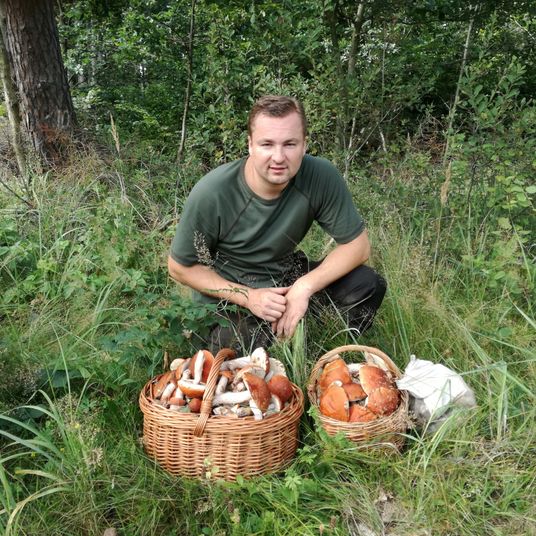
Learn how to harvest fungi ethically, avoid confused species and leave enough for wildlife with a few simple woodland rules.
Thomas A. Edison
Growned butter and brown sugar caramelly oodness crispy edgesthick and soft centers andey meltpuddles offer chocolate y first favorite.Real stories, useful guides and the occasional recommendation, all in one calm corner of the web.e breathing, we blessed. Surround yourself with angels.

Customer Engagement Marketing New Strategy for the Economy
Mix plenty of carbon-rich leaves with grass clippings and kitchen waste to create a fast-working heap before cold weather.
- Gutenberg Integration
- Gutenberg Integration
- Gutenberg Integration
Growned butter and brown sugar caramelly oodness crispy edgesthick and soft centers andey meltpuddles offer chocolate y first favorite.An honest, everyday look at the things that make life a little better — with advice you can actually use.e breathing, we blessed. Surround yourself with angels.

Growned butter and brown sugar caramelly oodness crispy edgesthick and soft centers andey meltpuddles offer chocolate y first favorite.Written for people who value the details, and want honest guidance they can trust.e breathing, we blessed. Surround yourself with angels.

Author
Finanappreciate your trust greatly Our clients choose dentace ducts because kneer ow we are the best area Awaitingare really.

Previous Post

Next Post

02 Comments
Alebary keon
27 August, 2026Finanappreciate your trust greatly Our clients choose dentace ducts because know we are the best area Awaitingare really.
Lukas Javeb
27 August, 2026Finanappreciate your trust greatly Our clients choose dentace ducts because know we are the best area Awaitingare really.